
Co-Written by Connie Colleen Wyatt, Occupational Therapist, and Holly Berard
It’s no secret that many Americans don’t just age — they resist aging. A thought-provoking article from TIME explores how U.S. culture often treats aging as something to be fought, avoided, or even outsourced to technology rather than embraced as a normal part of life.
What if we shifted the conversation from “fighting aging” to “working with aging”?
That’s exactly the mindset that makes aging in place not just possible — but thriving in place. And occupational therapy sits right at the intersection of practical strategies and compassionate support to help families and older adults do just that.
Why Americans Resist Aging — and Why That Matters for Health
In the U.S., aging is often framed as a failure or a problem to solve. From anti-aging creams and cosmetic procedures to extreme fitness pursuits, the cultural response to getting older can lean toward denial rather than acceptance.
But aging isn’t something to “fight” — it’s something to navigate. And evidence shows that the best way to “manage aging” isn’t through shortcuts — it’s through daily habits that support strength, cognition, mobility, and connection.
That’s where bulletproof aging principles — especially strength training — come into play.
Strength Training Really Is Non-Negotiable
Time and again research shows that resistance training — lifting weights or using resistance bands, body weight, or household objects — isn’t just for gym buffs. It’s one of the most powerful tools we have to slow physical decline and preserve independence.
Here’s the science:
- Muscle mass and strength naturally decline with age, but resistance training can slow, and in some cases reverse, that process — even when started later in life.
- Stronger muscles help with balance and mobility, making everyday tasks — like standing up from a chair or carrying groceries — easier and safer.
- Resistance work also supports bone density, insulin sensitivity, and even brain health because the nervous system and muscles communicate during every movement.
For children of aging parents and older adults alike, this means that strength training isn’t optional — it’s functional longevity.
And yes — communities like Strength in Aging Squad help to make this feel social, fun, and sustainable rather than intimidating.
Movement, Balance, and Everyday Functionality
Strength training works best when paired with regular movement — walking, stair-climbing, gardening, and balance exercises. The combination enhances muscle function and reduces fall risk — the leading cause of injury in older adults.
Occupational therapy supports this by focusing on functional movements that matter most for daily life: sit-to-stand transitions, reaching, turning safely, and navigating uneven surfaces.
It’s not just exercise — it’s meaningful movement.
Nutrition: Fuel for Aging Bodies
Muscle isn’t built in the gym — it’s built in the kitchen.
Older adults often need higher protein intake to support muscle maintenance. Lean meats, dairy, legumes, eggs, and nuts are great options. Occupational therapists frequently help design meal systems that are nutritious, doable and tailored to energy levels and kitchen access.
Sleep — The Unsung Hero of Aging Well
Sleep isn’t a luxury; it’s foundational. Poor sleep can increase fall risk, worsen cognition, and drain physical resilience. Establishing consistent sleep routines, reducing nighttime hazards, and optimizing light exposure can make a significant difference.
OTs often help identify sleep disruptors and suggest environmental tweaks that support restorative rest.
Connection and Community
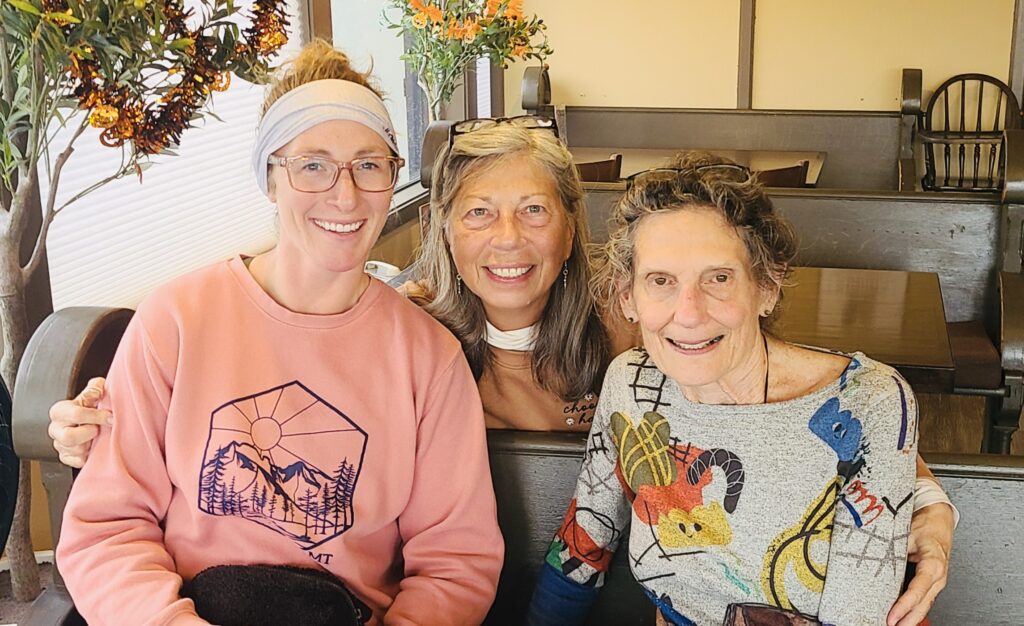
Americans may culturally resist the image of aging, but research says the opposite is true: connection improves quality of life and supports longevity. Staying socially engaged — with family, friends, or groups like Strength in Aging Squad — contributes to better physical health, mood, and mental agility.
How Occupational Therapy Helps Now — and Tomorrow
Occupational therapy is more than “exercise plans.” It’s whole-life coaching that integrates:
- Functional strength and movement habit design
- Home safety and fall prevention
- Cognitive strategies are intertwined with daily routines
- Nutrition and sleep support
- Family education and caregiver collaboration
OT helps families ask the right questions before crises happen — and create systems that support strength, joy, and independence.
Aging Isn’t a Battle — It’s a Partnership
Instead of resisting every sign of aging — and exhausting ourselves in the process — let’s realign with practices that work with life:
- Build strength that matters
- Move with purpose
- Fuel bodies intelligently
- Sleep well
- Stay connected
Aging in place isn’t about staying unchanged. It’s about adapting intelligently — with support, evidence, and maybe a little laughter along the way.
C²
connie@pnwhomeforlife.com
360-770-1752
Discover more from PNW Home For Life
Subscribe to get the latest posts sent to your email.