
By C², Connie Colleen Wyatt, Occupational Therapist, PNW Home for Life PLLC
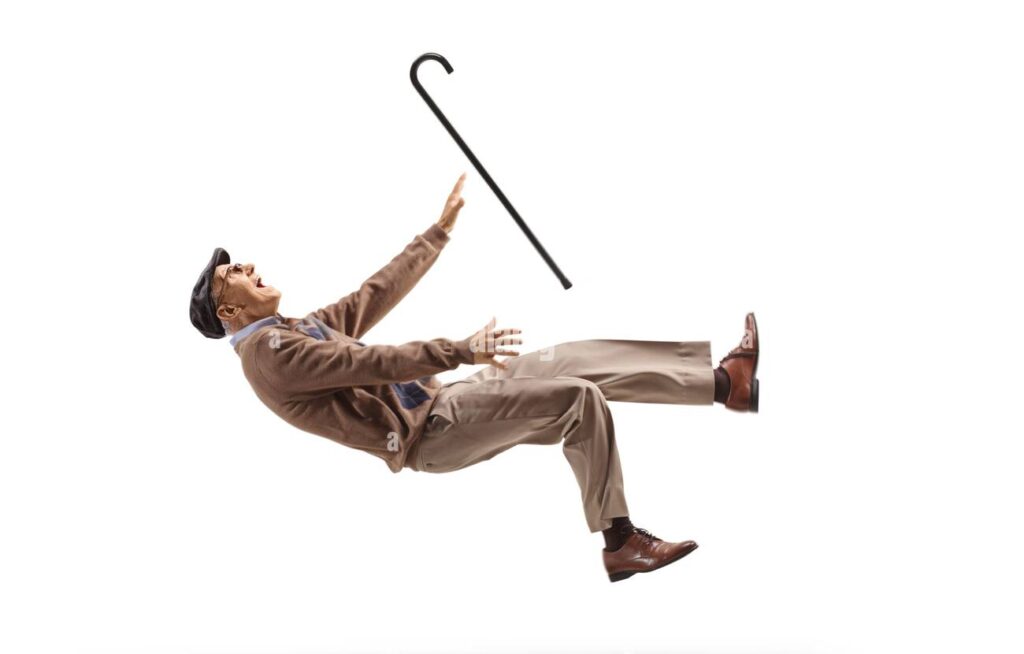
Ever feel like you’re tripping over air? Falling isn’t just embarrassing; it’s the leading cause of fatal and non-fatal injuries for older adults. Peter Attia emphasizes that falls aren’t random—they result from declining strength, balance, and sometimes medications that lower blood pressure too quickly.
After 65, muscle mass decreases, and proprioception (your sense of where your body is in space) declines. Combine that with slippery socks and dark stairways, and you have a recipe for unexpected tumbles. Research shows that antihypertensives can increase fracture risk up to 2.5 times during the first month due to sudden drops in blood pressure, leading to dizziness.
So what can you do? Attia recommends strength training with a focus on eccentric exercises, which help control movement when you step down from a curb or sit in a chair. Think slow, controlled lowering in squats or step-downs. He also recommends balance drills: standing on one leg while brushing your teeth or practicing toe-to-heel walking across the kitchen.
Your environment matters too. Improve lighting in hallways, add grab bars in bathrooms, and reduce clutter. Your future self will thank you when you can confidently step into the shower without fear of slipping.
This is where occupational therapists (OTs) and physical therapists (PTs) can play a powerful role in preventing falls. Therapists are trained to evaluate your environment, strength, balance, and habits, creating personalized plans that align with your lifestyle. They use targeted exercises, gait training, and functional activities to build resilience and confidence, reducing your risk of falls in everyday situations.
Here are three tangible, research-backed actions you can take today, with guidance from your therapist:
- Sit-to-Stand Drills: Practicing standing up from a firm chair without using your hands, 10 repetitions, twice daily, strengthens your legs and core muscles, essential for preventing falls during daily transitions.
- Kitchen Counter Balance Walks: Walk along your kitchen counter in a heel-to-toe fashion while lightly holding on for balance. This exercise improves your stability, ankle strength, and confidence in narrow spaces.
- Home Safety Scan: Walk through your home and remove throw rugs, improve lighting in hallways, and ensure pathways are clear from clutter and cords. These small changes can immediately reduce your fall risk and improve your safety at home.
OTs can also teach energy conservation strategies and adaptive equipment use to reduce fatigue, while PTs can assess your gait and provide exercises that match your current fitness level, gradually building up to maintain your independence.
For fun, try a “grocery bag farmer’s carry,” where you carry bags around the house to build grip strength and core stability, reducing your fall risk while training your body for real-life activities.
Falls aren’t inevitable. With the right guidance, environment, and daily movement practices, you can stay upright, independent, and confident in your ability to live life fully as you age.
By C²
pnwhomeforlife@gmail.com
360-770-1752
Discover more from PNW Home For Life
Subscribe to get the latest posts sent to your email.
Pingback: Nutrition & Longevity: No, You Don’t Need Another Fad Diet PNW Home For Life