

Co-Written By C², Connie Colleen Wyatt, Occupational Therapist, PNW Home for Life PLLC
and Holly Berard
Growing older is inevitable — but how we age? That’s something we can influence. A recent article from Freedom Physical Therapy reminds us that gaining muscle after 50 isn’t just a fitness goal; it’s a powerful strategy for aging well.
Here’s what the article is saying — and how it fits right into the “bulletproof aging” philosophy PNW Home for Life occupational therapists talk about (think: movement, strength, sleep, nutrition, connection, and time outside in nature).
💪 Strength Matters — Now More Than Ever
As we hit our 50s and beyond, we tend to lose muscle mass — a process called sarcopenia. The Freedom PT piece argues that building new muscle (not just hanging on to what you have) is enormously beneficial: it stabilizes joints, improves balance, supports bone density, and helps metabolism keep humming. That means fewer falls, safer movement, and more independence for older adults — the kind of things that matter deeply when you’re aging in place.
Research backs this up. For example, resistance training done just 2–3 times a week can build both muscle and strength in older adults, helping maintain function, bone health, and quality of life. And stronger muscles don’t just feel good — lower muscle mass in older adults is linked to a 25 % higher risk of functional decline.
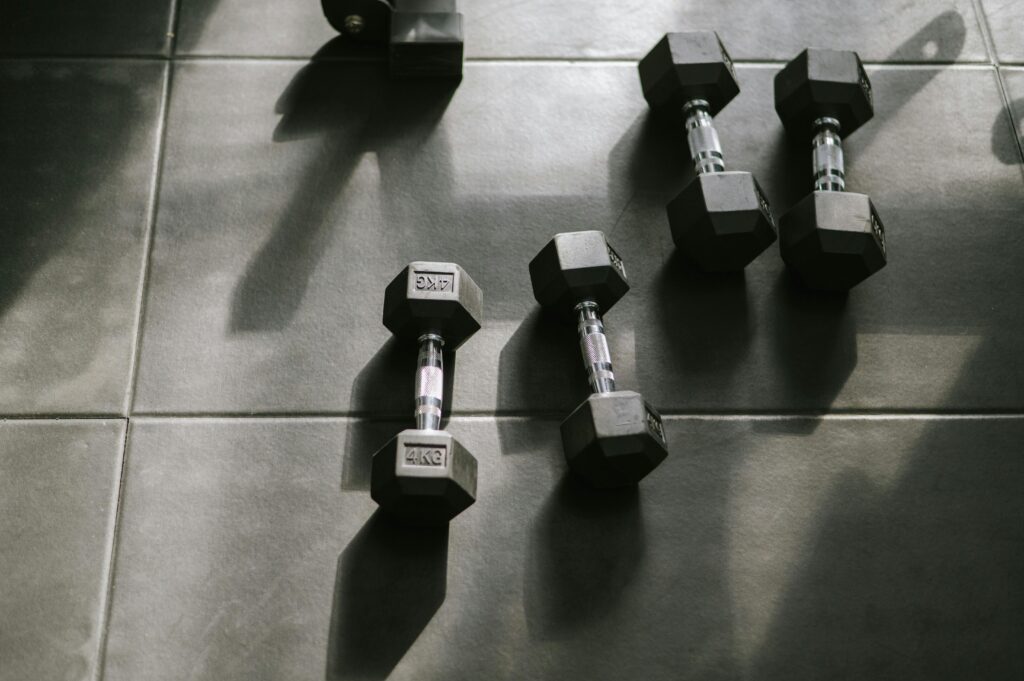
How This Fits Into “Bulletproof Aging”
- Movement & Strength Training: The core of the freedom PT message is resistance training — squats, lunges, push-ups, or even bodyweight work — something we can do consistently in mid-life.
- Nutrition: Just exercising isn’t enough. The article stresses eating enough protein (in the range of 1.0 to 1.2 g/kg of body weight daily), along with nutrients like vitamin D, calcium, and omega-3s to support both muscle and bone health.
- Recovery & Sleep: As people age, recovery becomes more important. Freedom PT highlights the need for rest days and smart progression so you don’t overload joints or burn out.
- Cognition, Connection & Emotional Health: While the article doesn’t deeply explore cognitive benefits, we know from other research that strength training improves mood, reduces depression risk, and even boosts brain health.
The Occupational Therapy Angle: Why It Matters for OT Practice
You might wonder, “Okay, but how does this relate to occupational therapy?” Great question. Occupational therapists can play a vital role here in several ways:
- Customizing Exercise for Daily Life: An OT can help translate strength training into real-world tasks — think sit-to-stands, stair climbing, or carrying groceries — making training feel less like “exercise” and more like daily living.
- Balance & Fall Prevention: With aging in place, one of the biggest challenges is preventing falls. OTs can assess home safety, recommend adaptive equipment, and design strength programs that reduce fall risk.
- Motivation & Habit Formation: Strength routines might feel new or even intimidating. Occupational therapists can coach clients (and their adult children) in building sustainable habits that align with meaningful goals — whether that’s gardening, playing with grandkids, or continuing to live independently.
Because independence isn’t accidental, it’s intentional. So play an active role in your life.
C²
connie@pnwhomeforlife.com
360-770-1752
Discover more from PNW Home For Life
Subscribe to get the latest posts sent to your email.