
“Co-Written by Connie Colleen Wyatt, Occupational
Therapist, and Holly Berard”
We’ve all heard that with age comes wisdom—but unfortunately, it also often comes with creaky joints, stiff backs, and that cheeky lower-back pain that shows up right when you planned to garden. In the The Genius Life podcast episode “What If You Could Feel Good Again? How Foundation Training Reverses Pain and Builds Real Strength”, host Max Lugavere talks with Dr. Eric Goodman, DC about Foundation Training—a method designed to reverse pain and bolster strength through mindful movement and posture mechanics.
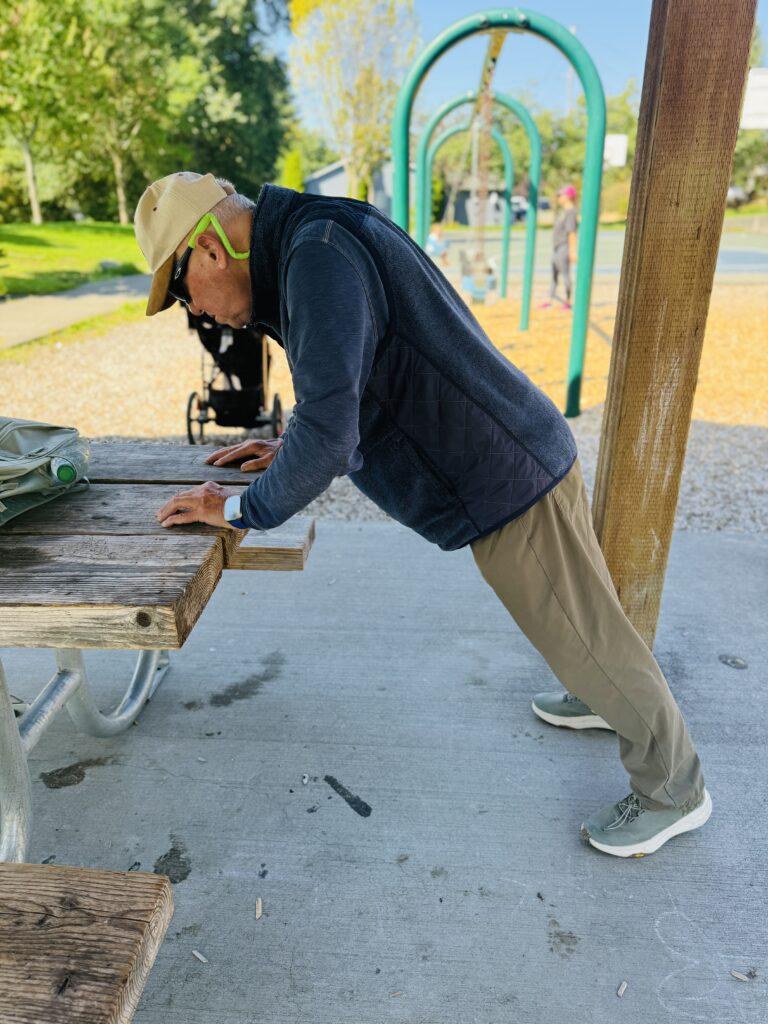
At its core, Foundation Training is a system of full-body movements and decompression breathing that targets posture, alignment, and muscular balance, especially around the hips, spine, and core. Rather than isolating muscles like a typical gym routine, this approach emphasizes large movement patterns that support everyday tasks—think rising from a chair, lifting groceries, or keeping up with grandkids.
Movement and Strength: The Heart of Bulletproof Aging
One of the most powerful takeaways from the episode is that movement matters—especially patterns that reinforce proper alignment and functional strength. This aligns beautifully with the occupational therapy principle of practicing meaningful movement that supports independence and safety at home. Evidence supports that purposeful, guided exercises can improve posture, muscle coordination, and pain outcomes in older adults. For example, research shows that structured corrective movement and strength-based training can reduce chronic pain and improve mobility by retraining motor patterns and breaking pain-fear cycles.
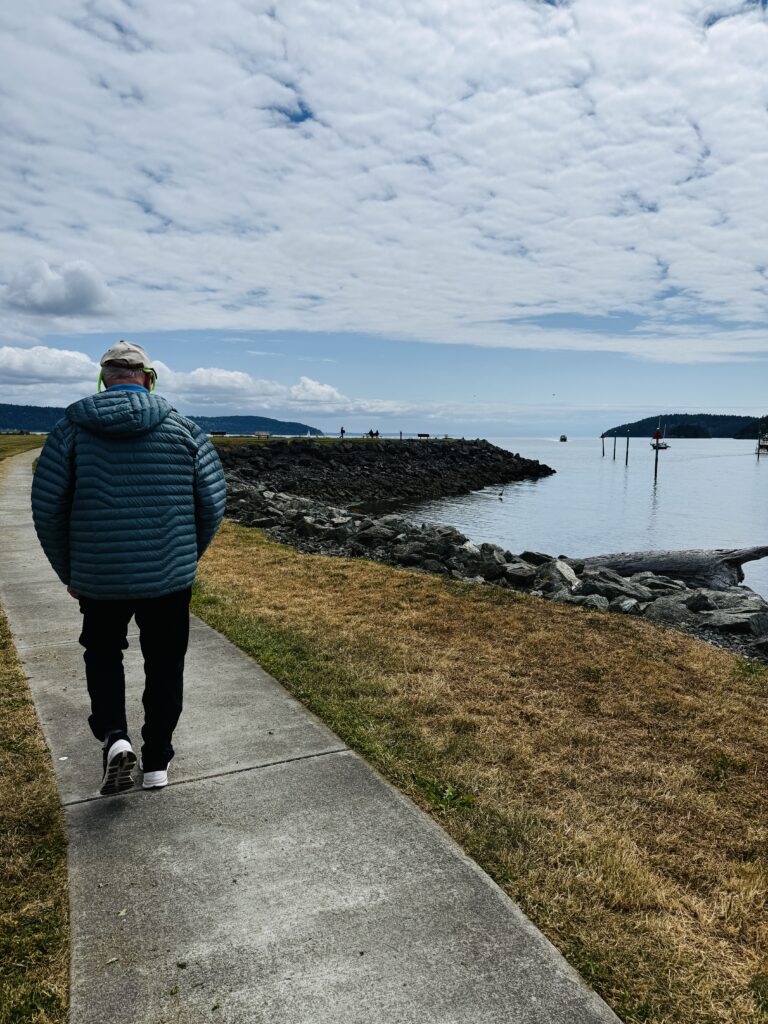
And let’s be honest: mobility isn’t just about walking better; it’s about feeling good enough to take that morning walk outside, play in the yard, or just reach for the cereal without wincing. For folks aging in place (60–90+), strong muscles and a stable core help prevent falls and support balance—something occupational therapists focus on day in and day out.
Fitting This Into a “Bulletproof Aging” Toolkit
In the broader context of bulletproof aging principles—such as getting outside, nutrition, movement, strength training, connection/relationships, sleep, and cognition—Foundation Training offers a movement-centric piece of the puzzle:
- Movement & Strength Training: The fundamentals of Foundation Training help improve postural strength and reduce pain—something research supports as a key factor in functional independence later in life.
- Getting Outside: Better pain control and strength mean older adults are more likely to enjoy outdoor walks, gardening, or family hikes—critical for mood, Vitamin D, and social connection.
- Cognition & Sleep: Movement routines that address pain also help reduce stress and improve sleep quality, which in turn benefits cognitive health—a win for both aging adults and their adult children trying to support them.
- Connection/Relationships: Exercises you can do with a partner or caregiver foster accountability and shared goals—plus great conversation!
So while Foundation Training itself isn’t a silver bullet, it’s a practical, evidence-based tool that reinforces evidence showing movement is medicine for aging bodies and brains.
How Occupational Therapy Can Help Now (and Later)
Occupational therapists are movement experts who look beyond symptoms to how pain affects participation in daily life. Here’s how OT can support someone interested in this podcast’s principles:
✔ Functional Movement Assessment: OTs evaluate real-life tasks like getting out of bed, navigating stairs, or reaching cabinets—and tailor movement plans that build strength where it matters most.
✔ Pain-Informed Activity Grading: Unlike generic exercise videos, occupational therapists factor in pain history, safety, and personal goals to create graded activity plans that boost confidence and reduce fear-avoidance.
✔ Home Safety + Aging in Place: Improving movement is one thing; making the environment safe is another. OTs can recommend adaptive equipment and home modifications to reduce falls and enhance independence.
✔ Lifestyle Integration: Whether it’s building a walking routine, establishing sleep hygiene, or finding meaningful social activities, OTs support lifestyle shifts that promote long-term wellbeing
.
A Fun Note to Wrap It Up
Think of Foundation Training as literally building a better “foundation”—a concept our homes and bodies both need as we age. And while it’s not a secret fountain of youth (no one’s bottled that yet), it does give aging adults tools that feel a lot better than another heating pad.
C²
connie@pnwhomeforlife.com
360-770-1752
Discover more from PNW Home For Life
Subscribe to get the latest posts sent to your email.