
Co-Written by Connie Colleen Wyatt, Occupational
Therapist, and Holly Berard
Between 2011 and 2019, Dr. Hiroshi Tanaka observed patients over the age of 80 at a geriatric center in Kyoto. They had something unusual in common: despite their age, they demonstrated strong recall, fast processing speed, clear verbal fluency, and intact daily functioning.
Naturally, he expected genetics to explain it.
He was wrong.
For adult children in their 40s–60s watching their parents age — and for those 60s–90s determined to stay independent — this is both comforting and empowering. While genetics certainly play a role in aging, research continues to show that lifestyle has a powerful influence on cognitive health and functional independence.
The brain isn’t just a storage container. It’s dynamic. It adapts. And it responds to how we use it.
Movement: Fuel for the Brain
One of the strongest predictors of cognitive health is physical activity. Regular aerobic exercise and strength training are associated with improved memory, executive function, and processing speed in older adults (Erickson et al., PNAS, 2011). Movement increases blood flow to the brain and supports neuroplasticity — the brain’s ability to form new connections.
In other words, those walks around the neighborhood and strength exercises aren’t just helping with balance. They’re helping with names, conversations, and decision-making.
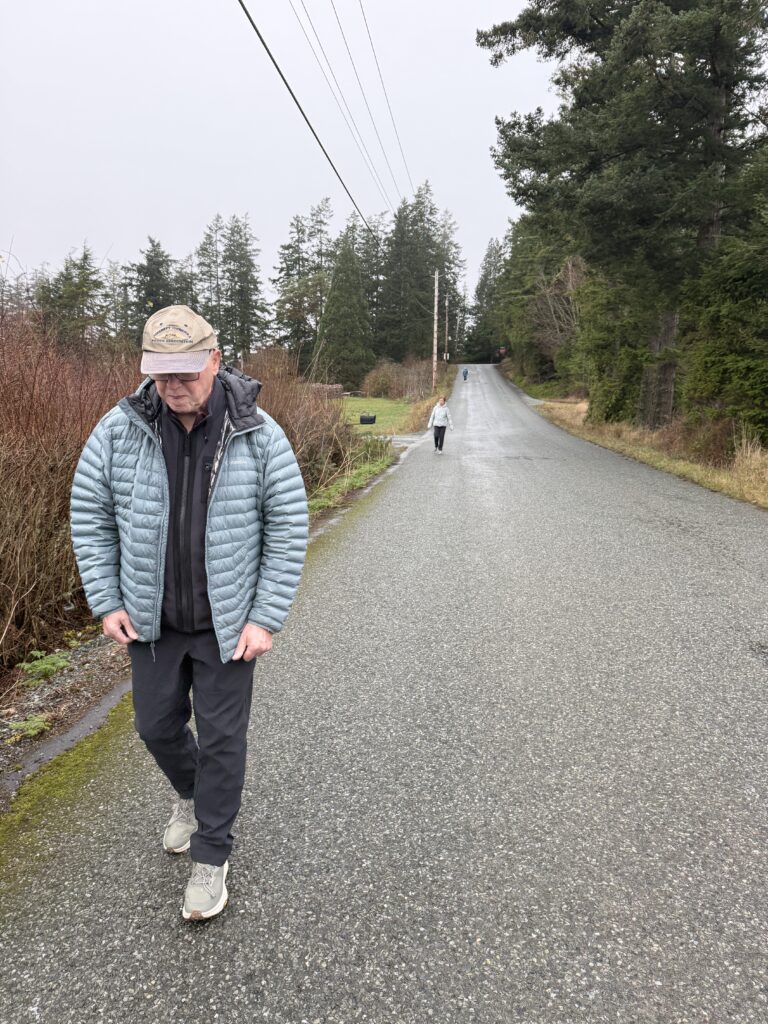
And no — this doesn’t mean running marathons at 82. It means consistent, appropriate movement. Strength training twice a week. Walking outdoors. Functional exercises that make daily life easier.
This is one reason community-based efforts like Strength in Aging Squad matter. When movement becomes social and purposeful, people stick with it. And consistency is what builds resilience.

Nutrition: Brain Food Is Real
Diet patterns such as the Mediterranean-style diet — rich in vegetables, healthy fats, lean proteins, and whole foods — are associated with slower cognitive decline and reduced Alzheimer’s risk (Scarmeas et al., Neurology, 2018).
For caregivers, this doesn’t require perfection. It means adding protein to breakfast. Including colorful produce. Staying hydrated. Small, sustainable shifts matter more than dramatic overhauls.
Connection: The Cognitive Multiplier
Social engagement is strongly linked to preserved cognition and daily functioning. Loneliness, on the other hand, is associated with increased cognitive decline risk (Holt-Lunstad et al., Perspectives on Psychological Science, 2015).
Conversation challenges recall. Shared laughter stimulates processing speed. Even debating whose turn it is to host Thanksgiving keeps verbal fluency sharp.
Aging in place doesn’t mean aging alone.
Sleep & Cognition: Overnight Maintenance
Sleep supports memory consolidation and brain detoxification processes. Chronic poor sleep has been linked to cognitive impairment (Mander et al., Nature Reviews Neuroscience, 2017).
If someone is staying up until 1 a.m. watching the news and wondering why they feel foggy the next day — there may be a connection.
So Where Does Occupational Therapy Fit In?
Occupational therapy bridges the gap between knowledge and daily life.
An OT can:
- Design personalized strength and balance programs
- Assess the home to support safe mobility outdoors
- Develop cognitive strategies to support memory and executive function
- Modify daily routines to improve sleep hygiene
- Support caregivers with practical strategies that reduce overwhelm
Most importantly, OTs focus on meaningful daily function. Dr. Tanaka’s patients didn’t just score well on memory tests — they maintained intact daily functioning. That’s the gold standard.
Because sharp recall is wonderful. But being able to cook your favorite meal, manage medications safely, and hold your own in conversation? That’s independence.
The Takeaway
The takeaway from Dr. Tanaka’s observations is powerful: aging well isn’t reserved for the genetically lucky. Strong recall, fast processing speed, and clear verbal fluency are influenced by how we live.
Get outside. Move regularly. Build strength. Eat well. Stay connected. Prioritize sleep. Keep learning.
Bulletproof aging isn’t about denying age — it’s about preparing for it.
And whether you’re supporting a parent or investing in your own future self, it’s never too early — or too late — to start
C²
connie@pnwhomeforlife.com
360-770-1752
Discover more from PNW Home For Life
Subscribe to get the latest posts sent to your email.