

Co-Written by Connie Colleen Wyatt, Occupational
Therapist, and Holly Berard
If you’ve ever heard someone say, “Retirement means you can finally relax,” you already know the stereotype. But what if leisure isn’t just a reward for a life well-lived — what if it’s a foundation of health itself? That’s the central insight from researchers featured in Washington Magazine, who argue that unstructured, restorative leisure isn’t a luxury, it’s a biological and psychological necessity.
For aging adults — and the 40s-to-60s crowd caring for them — that’s more than a philosophical point: it’s central to aging in place with vitality. As occupational therapists, we talk about movement, strength training, cognition, nutrition, sleep, connection, and getting outside — but leisure weaves through all of these pillars.
What Is “Leisure,” Really?
Leisure isn’t just “doing nothing.” It’s time that allows curiosity, rest, creativity, and joy — whether that’s a short walk in the yard, reading on the porch, sketching in a journal, or catching up with a friend over coffee. Researchers describe leisure as a space where the brain and body can rejuvenate, not just idle.
That matters because aging isn’t just physical — it’s cognitive and emotional, too. Studies show that engaging in both physical and mentally stimulating leisure activities helps preserve cognitive function, boosts life satisfaction, and reduces anxiety and loneliness among older adults — including those with mild cognitive impairment.
Leisure Touches Every Health Principle
Here’s how leisure connects to the principles many of us already champion:
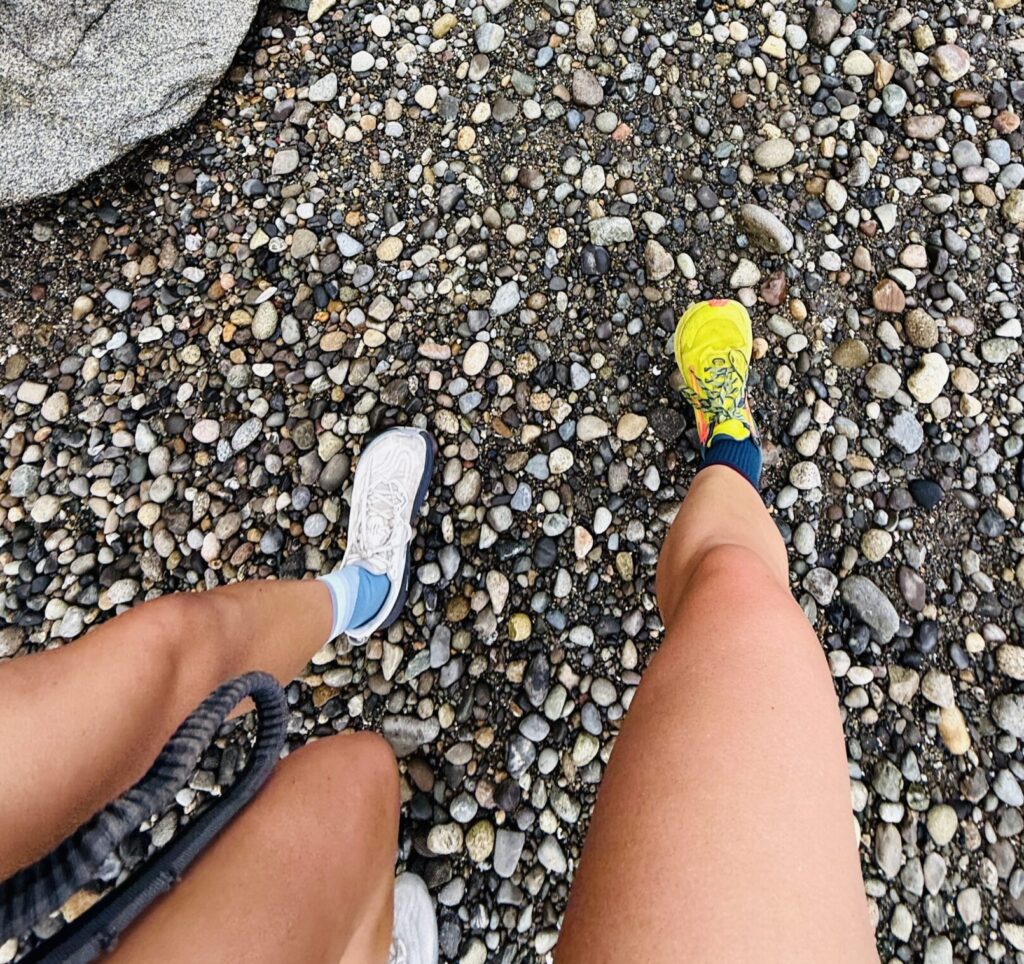
🌞 Getting Outside & Movement
Simple outdoor activity like walking increases blood flow, strengthens muscles, supports mood, and even enhances sleep quality. It’s leisure and movement — a two-for-one. Even 30 minutes of walking most days offers measurable benefits. (Not to mention the fresh air!)
💪 Strength Training & Physical Well-Being
Leisure that includes light exercise, gardening, or balance classes supports strength and mobility, reducing fall risk and promoting independence.
🥗 Nutrition & Meal-Time Pleasure
Preparing and sharing food is leisure, connection, and nourishment in one. It’s not just calories — it’s culture, identity, and relationship building.
👥 Connection and Relationships
Social leisure — cards with neighbors, book clubs, church groups — combats isolation, lowers depression, and sharpens cognition. Even hobby travel fosters new relationships and bolsters emotional well-being.
🧠 Sleep and Cognitive Engagement
Restful leisure — reading, listening to music, doing puzzles — helps the brain relax and stay challenged. Studies link leisure activities to slower cognitive decline and better quality of life even with advancing age.
Occupational Therapy: Guiding Meaningful Leisure
This is where occupational therapy (OT) really shines. OT isn’t just about exercise routines — it’s about meaningful participation. As an OT, I help older adults and caregivers:
- Identify personally meaningful leisure — what brings joy, not guilt
- Adapt activities for safety, energy, and accessibility
- Integrate leisure into daily routine (hint: “free time” doesn’t magically happen — we plan and protect it)
- Balance rest with engagement, so days aren’t just “filled,” they’re fulfilling
OTs can also help when mobility, cognition, or chronic pain make leisure harder. Through environmental modifications, compensatory techniques, and collaborative goal-setting, we turn intention into action.
Strength in Aging Squad: Community Meets Purpose
If you’ve heard of the Strength in Aging Squad, it’s a great example of how community and purposeful engagement can amplify leisure’s benefits without feeling like a clinical program. It’s not an ad — it’s recognition that people thrive when they move, connect, laugh, and share life’s richness together.
A Final Thought
Leisure isn’t wasted time — it’s invested time. Whether it’s watching the leaves rustle or playing a hand of cards, leisure restores what life takes from us. It’s therapeutic, evidence-based, and essential to thriving at every age.
So let’s shift the narrative: not “earn your rest,” but cherish it — because a joyful life is a healthy one.
C²
connie@pnwhomeforlife.com
360-770-1752
Discover more from PNW Home For Life
Subscribe to get the latest posts sent to your email.