
Co-Written by Connie Colleen Wyatt, Occupational
Therapist, and Holly Berard
If you’re caring for aging parents—or actively aging in place yourself—you’ve probably noticed two truths: aging is not for the faint of heart, and the small things matter more than ever. The good news? Research continues to show that the 60s, 70s, and beyond are prime time for building habits that protect independence, cognition, and quality of life. In fact, Stanford Medicine experts emphasize that it’s never too late to start strengthening the foundations of healthy aging .
At the heart of “bulletproof aging” are a few simple but powerful principles: movement, strength, nutrition, connection, sleep, cognition, and—yes—still getting outside even when the couch looks tempting.
Strength Is About Independence (Not Six-Pack Abs)
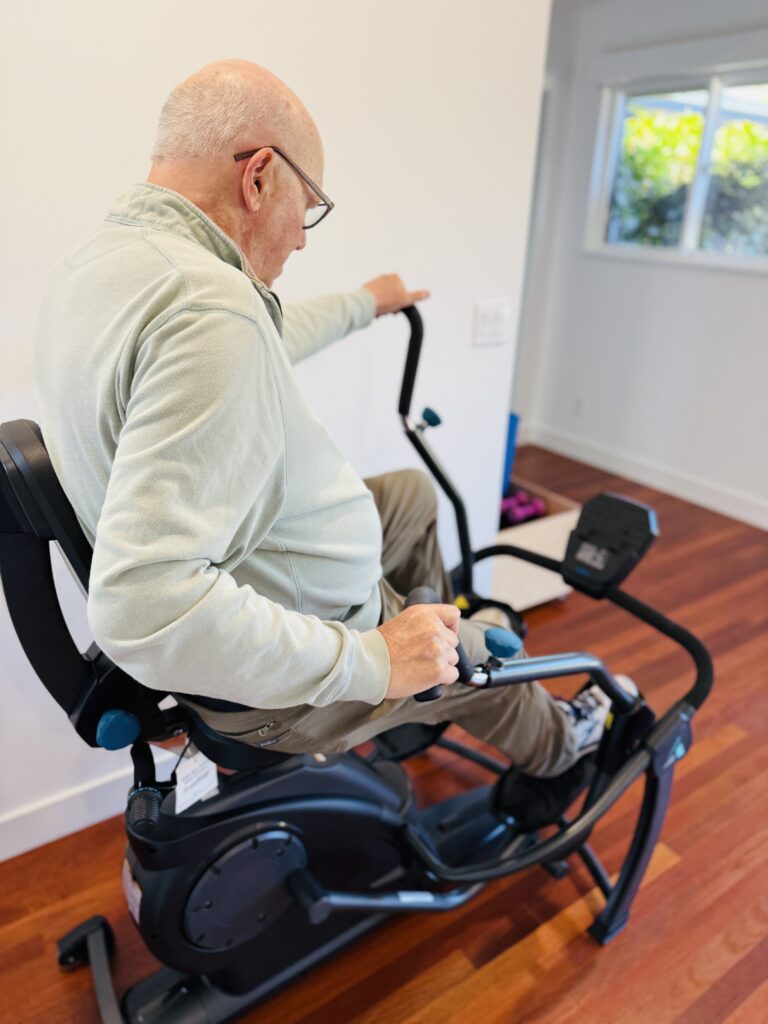
One of the strongest predictors of aging well is muscular strength. Not because anyone needs to deadlift their body weight, but because strength allows someone to stand up from a chair, climb stairs, carry groceries, and recover from a stumble. Stanford clinicians note that even light resistance training—think chair squats, wall push-ups, or resistance bands—can significantly preserve mobility and reduce fall risk .
For adult children watching parents slow down, this matters. Loss of strength often comes before loss of independence. Occupational therapy can step in early to assess daily activities, teach safe strengthening strategies, and adapt the home environment so strength loss doesn’t automatically mean loss of autonomy.
Movement, Balance, and the Art of Staying Upright

Regular movement—especially walking—is one of the most accessible tools we have. Balance and gait training are particularly important as we age, helping reduce falls (the leading cause of injury-related hospitalization in older adults). Occupational therapists frequently address balance during real-life tasks: stepping into the shower, navigating uneven sidewalks, or carrying laundry. Translation: therapy that actually looks like real life.
Nutrition, Sleep, and Brain Power (Yes, They’re Connected)
Healthy aging isn’t just about muscles. Adequate protein supports strength, while fruits, vegetables, and healthy fats support brain health. Sleep, often underestimated, plays a major role in memory, mood, and fall prevention. When sleep declines, everything else tends to wobble—sometimes literally.
Occupational therapy can help clients establish realistic routines for meals, hydration, and sleep, especially when chronic conditions or medications complicate things. Small changes—like simplifying meal prep or adjusting evening routines—can have outsized effects.
Connection Is Preventive Medicine
Social isolation accelerates cognitive and physical decline. Staying connected—to friends, family, community groups, or even a regular walking buddy—supports emotional health and motivation. Groups like Strength in Aging Squad can be a meaningful way for older adults to stay engaged, challenged, and supported without it feeling like another medical appointment.
Why Occupational Therapy Matters—Now and Later
Occupational therapy isn’t just for after an injury or diagnosis. It’s proactive. OT practitioners help people adapt early, maintain meaningful routines, and plan ahead—so aging in place remains a choice, not a crisis response. Whether it’s home safety, energy conservation, cognition, or strength, OT meets people where they are and helps them stay there longer.
Aging well doesn’t require perfection. It requires consistency, a little humor (“Yes, balance does count as exercise”), and support. The habits we build today—no matter our age—are the ones that protect independence tomorrow.
C²
connie@pnwhomeforlife.com
360-770-1752
Discover more from PNW Home For Life
Subscribe to get the latest posts sent to your email.