
Co-Written by Connie Colleen Wyatt, Occupational Therapist, and Holly Berard
Growing older doesn’t mean slowing down — and it definitely doesn’t mean giving up independence. Many adults want to age in place, staying in the homes and routines they love while maintaining safety, meaning, and quality of life. At the heart of aging well are key lifestyle pillars: getting outside, eating well, staying active and strong, nurturing relationships, prioritizing sleep, and stimulating the brain. Let’s unpack how these work together, why they matter, and how occupational therapy can help your aging-in-place journey thrive.
🌞 Get Outside — It’s Not Just Fresh Air
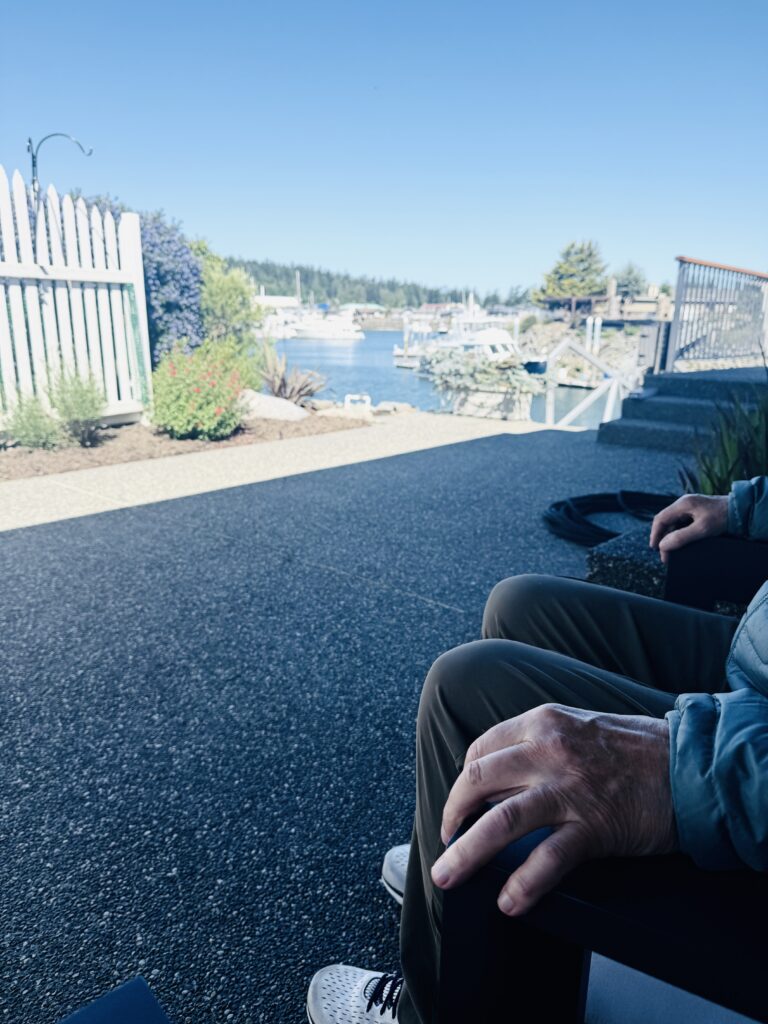
Spending time outdoors does more than lift your mood. Studies show that nature-based activities in older adults are linked to improvements in balance, stress reduction, and overall physical health outcomes. While scientists continue to explore which activities and environments work best, emerging evidence suggests older adults benefit from regular exposure to safe, walkable outdoor spaces.
Sunlight also helps regulate our internal clocks, which improves sleep and supports healthy circadian rhythms — and we’ll get to why that matters soon.
🥗 Nutrition — Fuel for Every Decade
Good food isn’t just tasty — it supports physical strength and brain health. Dietary patterns like the Mediterranean-inspired diets (e.g., MIND or DASH) are associated with better cognitive health and slower decline over time. For families planning meals, think colorful plates filled with vegetables, lean protein, healthy fats, and whole grains. Nutrition becomes especially important if strength training is part of the routine, because adequate protein supports muscle repair and energy.

💪 Movement and Strength — Your Body’s Best Defense
Movement is medicine. Regular physical activity isn’t just for athletes — even moderate exercise helps preserve mobility, balance, and independence. Research shows that structured, individualized, multicomponent exercise programs improve frailty and functional capacity in older adults living at home.
Strength training — think light weights or resistance bands — is particularly helpful. It combats age-related muscle loss (sarcopenia), improves balance, and helps reduce fall risk. For families in their 40s–60s, building these habits now sets up healthier aging later.
💬 Connection & Relationships — Better Together
Humans are wired for connection, and older adults are no exception. Social engagement has been linked with better emotional well-being and, according to the activity theory of aging, staying socially active supports life satisfaction and helps people transition into retirement with less stress and more purpose.
Community groups, shared hobbies, and even structured programs like the Strength in Aging Squadcan provide fun ways to stay connected and accountable. (Yes, even adults competing in chair yoga challenges can chuckle together — trust us!)
💤 Sleep — Don’t Underestimate It
Sleep isn’t optional: it’s restorative. Healthy sleep patterns strengthen the immune system, support cognition, and help the body recover from daily physical activity. If sleep becomes disrupted, simple habits like consistent bedtimes, reducing caffeine late in the day, and calming pre-sleep routines can help.
🧠 Cognition — Keep the Mind Active
Cognitive health isn’t a given — it’s supported. Engaging in mentally stimulating activities, puzzles, music, learning new skills, and even conversation can help slow age-related cognitive changes. Pair these with physical activity and social connection for a synergistic boost.
🧑⚕️ Where Occupational Therapy Fits In
So where does occupational therapy come in? OT is uniquely focused on helping people maintain independence and participation in meaningful daily activities — the “occupations” of life. Occupational therapists (OTRs and OTAs) work with older adults to:
• Assess the home environment and recommend modifications like grab bars or improved lighting to reduce fall risk and support safety.
• Address strength, balance, and cognition through tailored activities that align with a person’s goals — whether that’s cooking independently, walking to the mailbox, or remembering medication schedules.
• Partner with caregivers and families, ensuring that routines and supports are sustainable.
OTs also help integrate lifestyle pillars — movement, cognition, sleep routines, and meaningful social participation — into realistic, enjoyable plans. Rather than medicalizing aging, occupational therapy empowers living well.
C²
connie@pnwhomeforlife.com
360-770-1752
Discover more from PNW Home For Life
Subscribe to get the latest posts sent to your email.