

By C², Connie Colleen Wyatt, Occupational Therapist, PNW Home for Life PLLC and Holly Berard
Let’s address the elephant in the room.
Support groups don’t exactly scream cool.
They often get lumped into the mental category of folding chairs, awkward silence, and forced sharing.
And yet… the people who come to ours keep coming back.
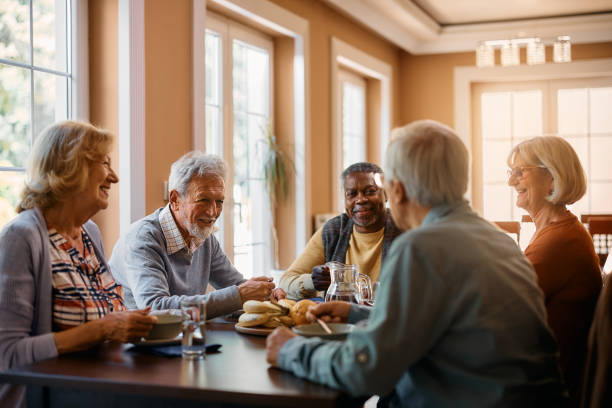
Why? Because something different happens when you sit in a room with people who get it—without explanation, without judgment, without needing to soften the truth.
What We Offer Right Now
Through the PNW Home for Life Foundation, we currently host two monthly support groups, held every third Thursday:
- Parkinson’s Support Group (11:00am–12:00pm)
- Stroke Survivor Support Group (2:30pm–4:00pm)
These groups meet in Anacortes and are built around real conversation, shared experience, and practical support. They’re for people who are newly diagnosed, years into their journey, or somewhere in between. They’re also for family members who want to understand more deeply what their loved one is navigating.
What I see in these rooms is honesty, laughter, frustration, insight, and relief. People say things like, “I thought I was the only one,” and “I didn’t know anyone else felt this way.”
That moment alone is worth everything.
What We’re Building Next: A Caregiver Support Group
Now, here’s the part I’m especially excited about.
We are actively working to add a support group specifically for caregivers of all types:
- spouses
- adult children
- family members
- friends
- employed caregivers
If you’re providing care—paid or unpaid—you are carrying more than most people realize.
Caregiving is isolating.
It’s emotionally complex.
It’s exhausting.
And it’s often invisible.
This group won’t be about fixing everything. It will be about being heard, learning from others walking similar paths, and realizing you don’t have to carry it all alone.
For the “I Don’t Do Support Groups” Crowd
I hear this a lot:
“I’m not really a support group person.”
Translation:
- You don’t want pity
- You don’t want forced vulnerability
- You don’t want to sit in a circle and cry (unless you want to)
Good news: you don’t have to.
Our groups are practical, human, and grounded. There’s laughter. There’s venting. There’s insight you didn’t know you needed until someone else said it out loud. And there’s something powerful about being in a room where no one needs the backstory—you’re already understood.
I can almost guarantee this:
You will leave feeling more seen than you expected.
Why Donations Matter
All of these support groups are run through the PNW Home for Life Foundation, and sustaining them takes real resources.
Donations allow us to:
- keep these groups facilitated by trained professionals
- ensure they remain free or low-cost for participants
- maintain safe, welcoming spaces
- and expand our offerings, including the upcoming caregiver support group
If you’ve ever benefited from community support—or know someone who has—this is a meaningful way to invest locally. Your donation helps ensure these groups don’t just exist next month, but for years to come.
You Don’t Have to Do This Alone
Support groups aren’t about weakness.
They’re about wisdom—knowing when shared experience is the strongest tool we have.
If you’re curious, come once. Sit quietly. Listen. No pressure.
And if you’re able, consider donating to help keep these groups alive and growing. Strong communities don’t happen by accident—they’re built, together.
Being understood changes everything.
By C²
connie@pnwhomeforlife.com
360-770-1752
Discover more from PNW Home For Life
Subscribe to get the latest posts sent to your email.

