
Co-Written by Connie Colleen Wyatt, Occupational
Therapist, and Holly Berard
Aging isn’t just about birthdays and wisdom lines — it’s also about how we think about getting older. Groundbreaking research from Harvard’s T.H. Chan School of Public Health shows that people with a more positive attitude about aging tend to live longer, healthier lives than their peers with negative age beliefs. In a study of more than 14,000 adults over age 50, those who reported the highest satisfaction with aging had a 43 % lower risk of dying from any cause over four years and were less likely to develop chronic conditions such as diabetes, stroke, cancer, and heart disease. They also enjoyed better cognitive functioning, healthier sleep, increased physical activity, and a greater sense of purpose and optimism.
What might feel like “just an attitude” can ripple across every aspect of health — from walking speed to memory to relationships.
Attitude: The Hidden Superpower of Aging Well
We often focus on the tangible — nutrition, exercise, sleep. But what if the mental narrative we carry about aging is just as powerful?
Researchers have found that having positive beliefs about aging can even influence cognitive outcomes. People with stronger positive age beliefs are more likely to maintain memory and thinking skills over time, with some showing recovery from mild cognitive impairment earlier than expected.
That’s not magic — it’s science. A healthier mindset often leads to healthier behaviors: more movement, better sleep, richer social life, and purposeful engagement in meaningful activities.
Bulletproof Aging Principles: Build a Better Tomorrow
Here’s how a positive outlook pairs beautifully with the pillars of bulletproof aging — especially for those aging in place or supporting aging parents:
- Get Outside & Move
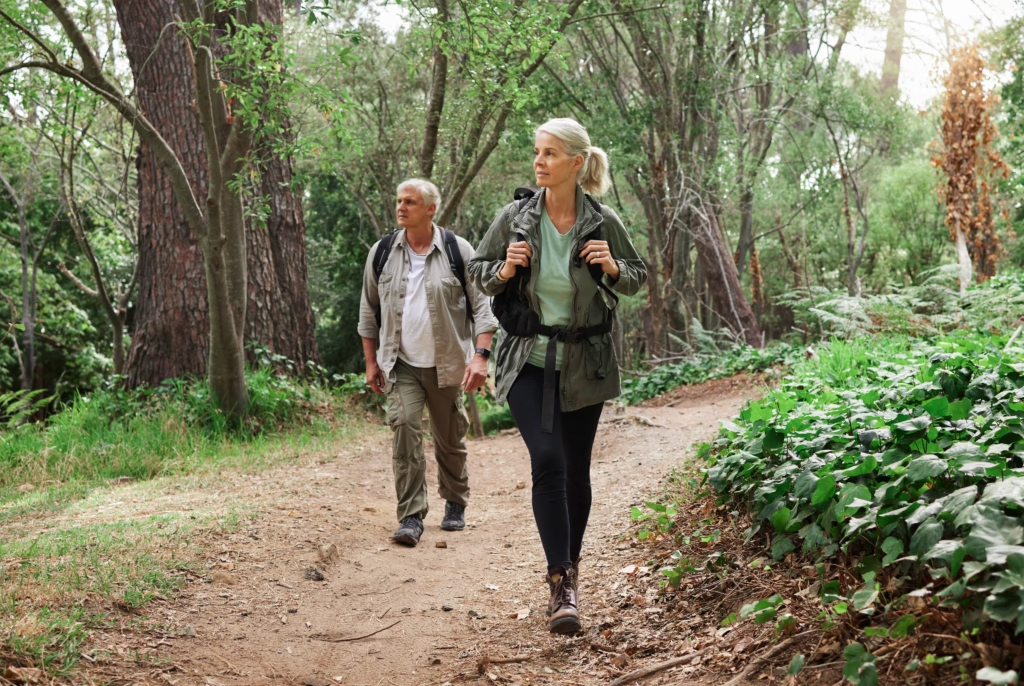
Fresh air and sunshine aren’t just mood boosters — they’re catalysts for strength, balance, and vitamin D. Walking in your neighborhood, playing with grandkids, or tending a garden can lift spirits and muscles alike. - Nutrition
A colorful plate full of whole foods fuels more than the body. Better nutrition supports brain health and energy, which helps maintain a positive mindset. - Movement & Strength Training
Strength isn’t just for athletes. Maintaining muscle helps with balance, independence, and confidence — all of which reinforce a sense of agency as we age. - Connection & Relationships
Strong social ties are linked to slower biological aging and lower inflammation — think of laughter with friends or dinner with family as anti-aging medicine! - Sleep
Poor sleep sabotages memory, mood, and motivation. Prioritize rest like it’s an appointment you can’t miss. - Cognition
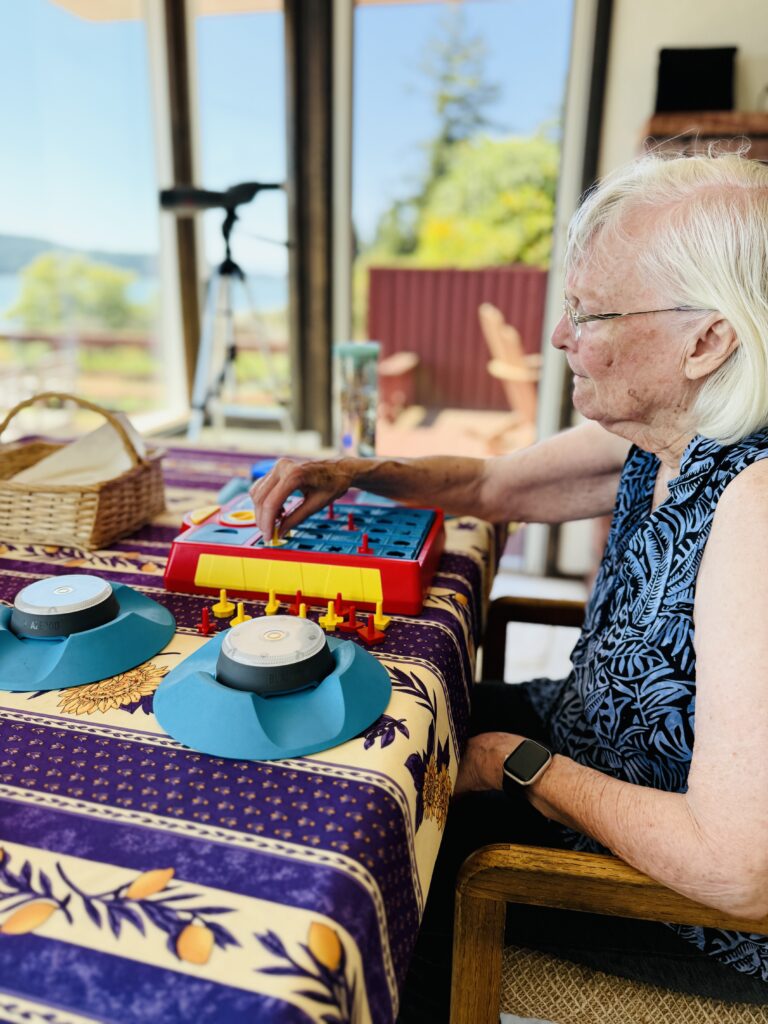
Brain health thrives on challenge — puzzles, puzzles with friends, learning a new hobby — all help keep neural pathways active and engaged.
Occupational Therapy: Your Partner in Positive Aging
Occupational therapy (OT) is uniquely positioned to help individuals make these evidence-based principles work in real life — especially for those aging in place. OTs look beyond diagnoses to support engagement in meaningful daily activities, home safety, and independence. Research shows that occupational therapy interventions, including home modifications and personalized strategies, significantly improve independence with everyday tasks and reduce hazards that might undermine safety and confidence at home.
Whether it’s coaching someone to adapt routines after a health change, recommending assistive tools to boost independence, or guiding goal-setting that aligns with what matters most to someone, occupational therapy helps translate bulletproof aging principles into day-to-day reality.
Final Thoughts
Aging doesn’t have to be synonymous with decline. Scientific evidence suggests that positive attitudes about aging are linked to longer, healthier lives — possibly even more strongly than some traditional health factors. Pairing this mindset with intentional action — from getting outside to staying socially engaged — empowers people to age with resilience and joy.
For anyone in their 40s through 90s reading this — whether supporting aging parents or navigating aging yourself — remember: aging well is a blend of mindset, movement, connection, and meaning. And with partners like occupational therapists — and communities like the Strength in Aging Squad (who value strength, joy, and connection) — you’re better positioned than you think to thrive, not just survive.
C²
connie@pnwhomeforlife.com
360-770-1752
Discover more from PNW Home For Life
Subscribe to get the latest posts sent to your email.

