
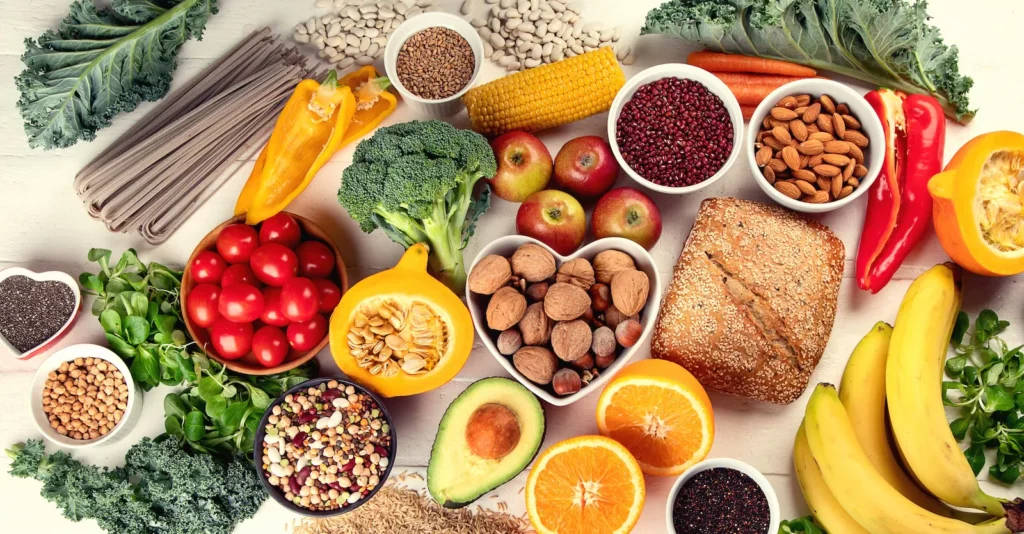
By C², Connie Colleen Wyatt, Occupational Therapist, PNW Home for Life PLLC
Let’s talk fiber. Not the boring kind you blame for your gallbladder, but the game-changer behind gut health, satiety, clear thinking, and yes—keeping you upright and cooking for yourself well into your 90s. Fiber is like that quiet sidekick in a superhero movie—never flashy, but absolutely essential.
Why Fiber Matters for Living Well (and Longer)
- Most Americans barely scrape 17 grams of daily fiber—when the real goal is closer to 30 grams or more.
- Fiber slows digestion, helps control blood sugar, lowers cholesterol, and even keeps us regular.
- Some types of fiber, like glucomannan (from konjac root), are so full they make you feel stuffed—even though you’re not. Imagine a sponge in your gut telling your brain, “Hold on, stop stuffing!”
- A high-fiber diet? It’s been linked to a 30–40% reduction in chronic disease risk and supports a healthy, diverse microbiome.
- Elderly folks with adequate fiber intake manage better with blood sugar, gut function, and overall metabolism.
A (Not-So-Serious) OT’s Guide to Fiber for Independence
1. Double Your Fiber Without Resorting to Cardboard
Shoot for 8-10g per meal—that’s like adding a cup of broccoli (or berries or lentils) to every plate. Suddenly your plate is full, your gut’s happy, and your fall risk drops.
2. Eat the Spectrum—Rainbow Means More Than Roof Paint
Fill 50–75% of your plate with non-starchy veggies. The rest? Protein, of course—or as I call it, the “sidekick to fiber.”
3. Choose Your Fiber Weapon:
- Soluble fiber (oats, bananas, berries) = your blood sugar’s ally
- Insoluble fiber (whole grains, beans) = your “plumber,” keeping things moving
- Super-fiber glucomannan = the “stealth belly-fillers” that help you eat less reliably
4. Add Variety Like a Buffet—Your Gut’s Microbiome Craves It
Chia, raspberries, legumes, broccoli, avocado—different fibers feed different gut bacteria. Just like guests, diversity matters.
5. Be Smart About Supplements (Only If You Gotta)
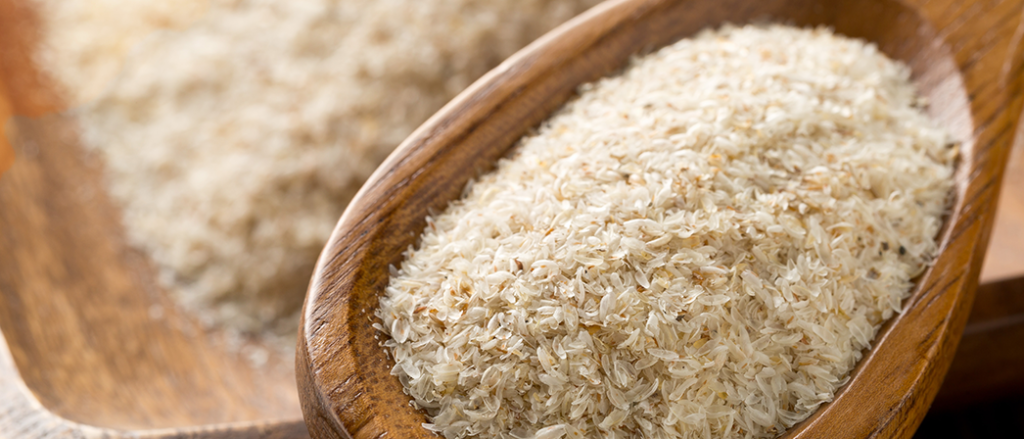
Real food first—always. But if you can’t hit your fiber quota, a psyllium (see photo below) or plant-based supplement can help—just check with your doc first.
6. Go Slow, Hydrate, Be a Smooth Operator
Add no more than 5g fiber per week. And drink water like it’s your job—fiber without water is a plumbing disaster.
Why This Matters to Aging in Place
As an OT, I don’t just want you to live longer—I want you to keep cooking, dancing, gardening, and telling the grandkids stories without hitting the emergency call button. High-fiber eating supports digestive regularity, lowers disease risk, and keeps you strong, sharp, and satisfied. Plus, fewer trips to the bathroom at 2 a.m. —unless that’s your nightly adventure.
Fiber: It’s not just good for your gut—it’s like an internal bouncer keeping dysfunction out.
By C²
connie@pnwhomeforlife.com
360-770-1752
Discover more from PNW Home For Life
Subscribe to get the latest posts sent to your email.

