

By C², Connie Colleen Wyatt, Occupational Therapist, PNW Home for Life PLLC
I’ll be honest: sleep has been the health pillar I’ve ignored the most in my own life, and it took me far too long to recognize just how much damage that caused. For decades, I operated under the misguided belief that sleep was “optional”—something you could trim away to squeeze more life in. I wore my ability to function on very little rest like a badge of honor.
But here’s the reality: that badge comes at a cost.
As an occupational therapist, I see the ripple effects of sleep deprivation every day in my patients. Falls, brain fog, mood instability, high blood pressure, insulin resistance—it’s all connected. Poor sleep doesn’t just make you cranky in the morning. It chips away at healthspan, independence, and the ability to live the life you actually want.
Why Sleep Matters More Than We Think
Unlike other areas of health, sleep is fairly easy to study. Everyone does it, and the cycles are predictable. Researchers have used this to show us, without question, that sleep is one of the most critical systems for maintaining our bodies and brains.
When you get quality sleep, your body:
- Repairs tissue and builds muscle (yes, it’s where the gains actually happen).
- Balances hormones that control hunger, stress, and energy.
- Cleans out waste in the brain, including the proteins tied to Alzheimer’s disease.
- Strengthens your immune system, making you more resilient to illness.
When you don’t get sleep? All of those systems take a hit—and the effects compound over time.
Short-Term Costs of Skimping on Sleep
You’ve probably felt these after even one rough night:
- Sluggish brain, slower reflexes, and trouble focusing.
- Short fuse—everything and everyone feels more irritating.
- Poor physical performance and slower recovery.
- Cravings for sugary, carb-heavy foods.
That last one isn’t just “willpower.” Lack of sleep literally rewires your metabolism to make you hungrier and less satisfied by food.
Long-Term Consequences of Poor Sleep
This is where it gets serious. Chronically shortchanging sleep increases your risk of:
- Cardiovascular disease (heart attack, hypertension, stroke).
- Type 2 diabetes and metabolic syndrome.
- Cognitive decline and dementia (your brain can’t clear waste properly without deep sleep).
- Weakened immune system, leaving you vulnerable to infection and chronic inflammation.
- Depression and anxiety, which both worsen when sleep is neglected.
What This Means for Aging Well
We often talk about exercise, nutrition, and social connection when it comes to aging with vitality. But sleep is the glue that makes those other pillars stick.
Without adequate sleep:
- Exercise recovery suffers.
- Nutrition choices tilt toward junk food.
- Balance and reaction times decrease, raising fall risk.
- Emotional resilience tanks, making it harder to stay engaged in the life you want.
Practical Takeaways
You don’t need to overhaul your life overnight. Start with simple steps:
- Consistency matters. Go to bed and wake up at the same time daily—even weekends.
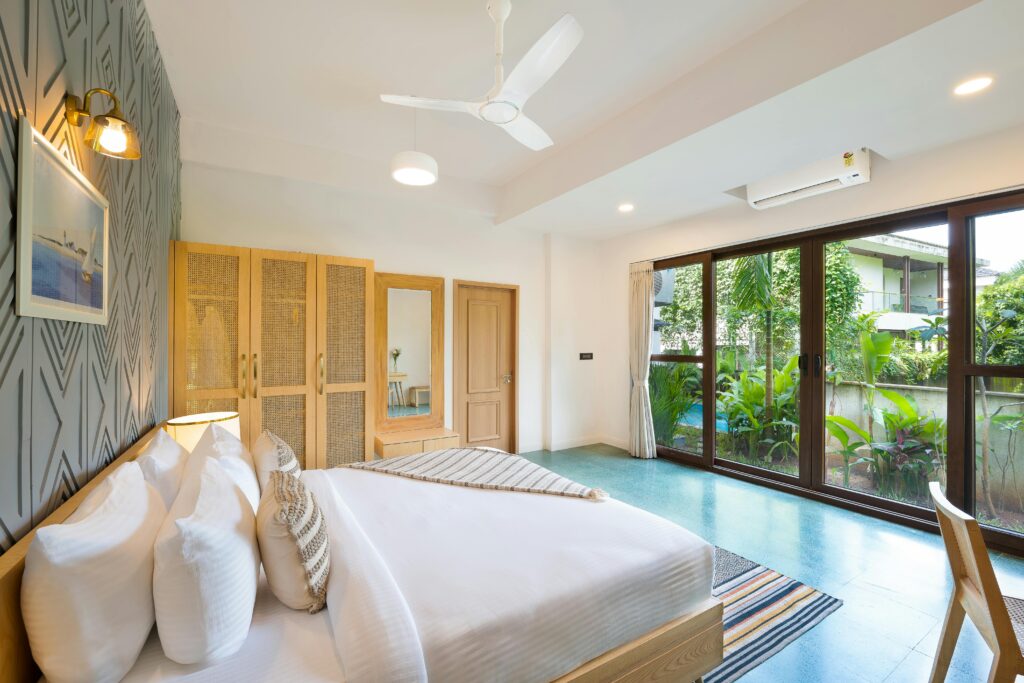
- Protect your environment. Cool, dark, and quiet makes a difference.
- Cut stimulants. Caffeine and alcohol both disrupt sleep architecture more than you think.
- Wind down intentionally. Reading, light stretching, or breathing exercises beat doom-scrolling every time.
The Bottom Line
Sleep is not a luxury. It’s not a sign of weakness or laziness. It is one of the most powerful longevity tactics we have.
If you want more years of independence, sharper thinking, and energy to do the things that actually matter—prioritize sleep. Treat it like the medicine it is.
I know I sound like a broken record, because I keep circling back to the same themes in my blogs: movement, nutrition, sleep, and connection. But that’s because they’re the fundamentals. And if there’s one thing I’ve learned from both personal experience and decades of clinical practice, it’s this: when the basics are solid, everything else gets easier.
Sleep: the only workout where lying down makes you stronger.
By C²
connie@pnwhomeforlife.com
360-770-1752
Discover more from PNW Home For Life
Subscribe to get the latest posts sent to your email.

