
By C², Connie Colleen Wyatt, Occupational Therapist, PNW Home for Life PLLC
If you want to live longer and feel vibrant, should you reach for olives and salmon or tofu and green tea? The Mediterranean and Japanese diets consistently top longevity charts, but which one is truly better for aging well?
What Do the Research and Blue Zones Say?
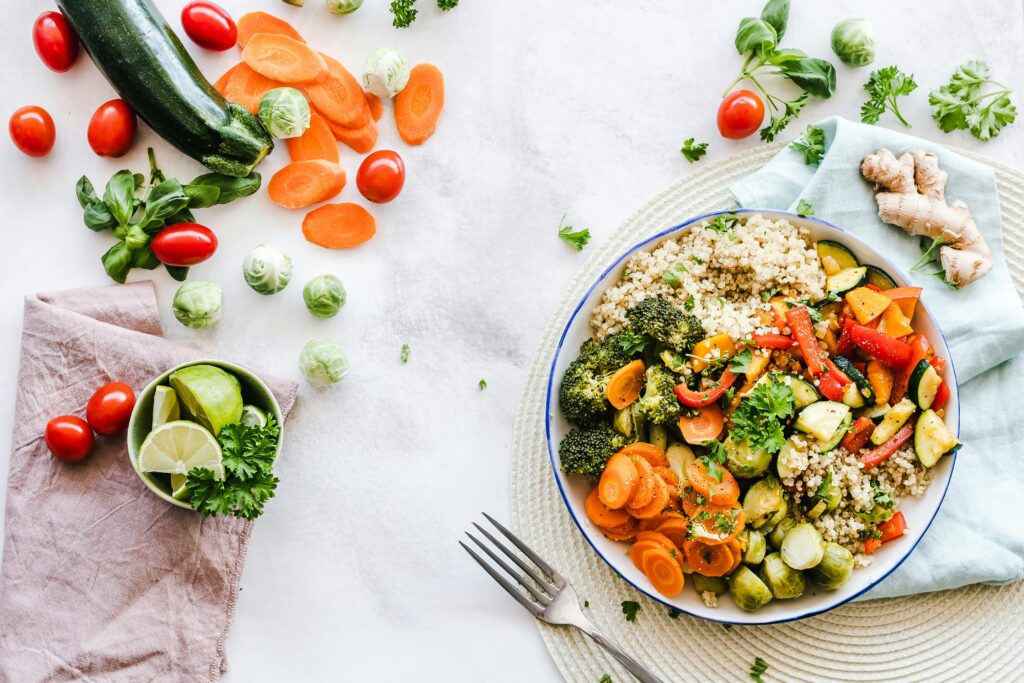
The Mediterranean diet—rich in olive oil, fish, nuts, vegetables, whole grains, and modest wine—has been linked to reduced cardiovascular disease, improved cognitive function, and lower cancer risk. A 2018 study in JAMA Network Open found that adherence to the Mediterranean diet reduced all-cause mortality and major cardiovascular events by 25%.
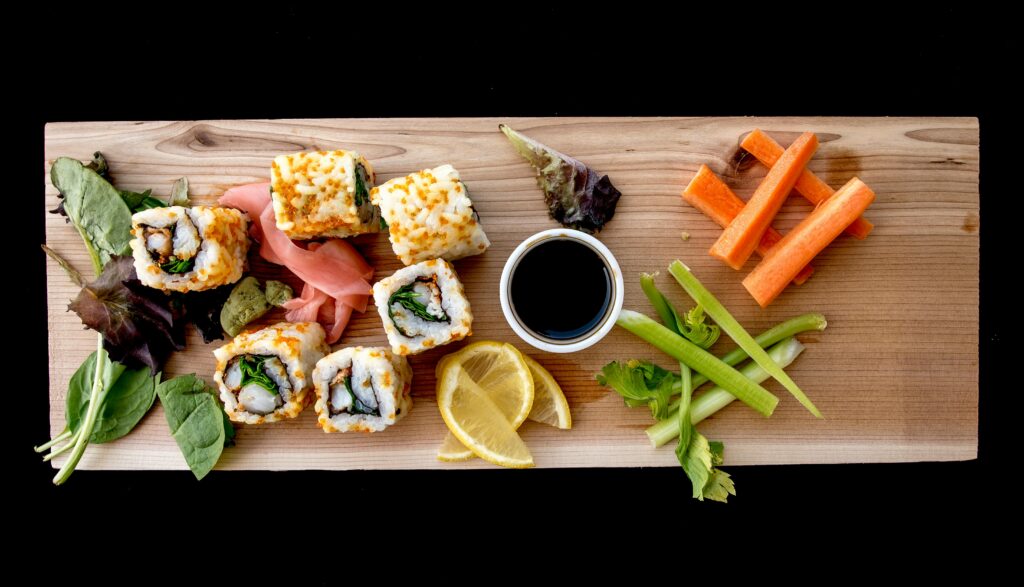
Meanwhile, the Japanese diet, particularly in Okinawa, is high in vegetables, soy products (tofu, miso), fish, and rice, with low consumption of saturated fats and sugar. Japan has one of the highest life expectancies globally, and research in the British Medical Journal (BMJ, 2016) showed that adherence to the Japanese dietary guidelines reduced mortality from cardiovascular disease by 14%.
Both diets emphasize plants, fish, and minimally processed foods, which fuel a strong microbiome, reduce inflammation, and help maintain healthy weight and energy.
Which One Is Better?
Is one truly superior? While the Mediterranean diet boasts cardiovascular benefits from healthy fats and polyphenols in olive oil and nuts, the Japanese diet shines with high vegetable variety, low red meat, and omega-3 rich fish.
- Want easier access to fresh produce and olive oil? Mediterranean may be practical for you.
- Prefer rice, seaweed, and fish with lower fat intake? A Japanese diet might fit better.
Both encourage mindful, balanced eating, but neither is a silver bullet.
Is It Really About the Diet?
Here’s the real question: Is it the food, or is it the lifestyle?
In Ikaria, Greece, people gather daily for meals, walking hills to visit neighbors, and sharing food slowly. In Okinawa, elders garden, walk to markets, and maintain close-knit social networks while eating smaller meals in the “hara hachi bu” approach (eat until 80% full).
Is it the olives, tofu, or the fact that people sit together, laugh, and move all day?
The Power of Social Connection and Movement
Both cultures integrate:
✅ Daily walking in hilly environments
✅ Strong social ties with shared meals
✅ Purposeful movement through gardening and chores
✅ Eating slowly and stopping before full
What if these lifestyle factors, not just diet, are the real secrets to longevity?

Takeaways for Your Aging Journey
🍅 Eat More Plants: Both diets encourage vegetables, fruits, fish, and whole foods.
🚶♀️ Move Daily: Walk, garden, and keep your body in motion.
🤝 Connect: Share meals with family and friends.
😌 Eat Mindfully: Stop before you’re stuffed, and enjoy the process of eating.
If you want to “bulletproof” your aging, consider adopting the principles of these diets while prioritizing social connection and daily movement. Maybe it’s not the diet itself but the environment and habits around it that truly matter for aging well.
Which would you rather focus on: the exact diet, or creating a lifestyle where healthy eating, movement, and connection become your daily norm?
By C²
pnwhomeforlife@gmail.com
360-770-1752
Discover more from PNW Home For Life
Subscribe to get the latest posts sent to your email.

