
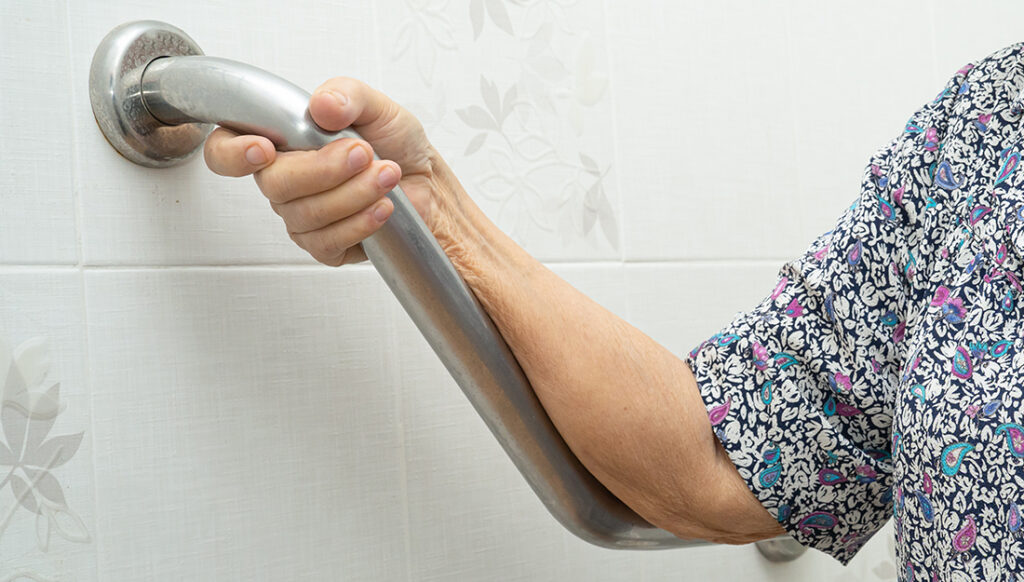
Good evening. I’m Connie Wyatt, reporting live from the frontlines of aging in place. Tonight’s top story: the most dangerous room in the home isn’t the garage, the attic, or even that one hallway with the squeaky floorboard. No, it’s your bathroom. And for aging adults, that sleek porcelain palace can become a slippery trap.
But fear not—we’re digging deep into expert advice and smart updates to keep you, or your loved one, safe, stable, and independent.
The Stats Don’t Lie
According to the CDC, more than 235,000 people visit the ER each year due to bathroom injuries. And yes, most of those happen during ordinary routines—showering, toileting, or just trying to get out of the tub. For older adults, the bathroom is high risk, but with the right updates, it can become a safe haven.
Anchoring Our Solutions: Smart Bathroom Updates
In a recent U.S. News Real Estate article on bathroom updates for aging in place, experts highlighted simple changes that have a massive impact:
1. Install Grab Bars (The MVPs of Stability)
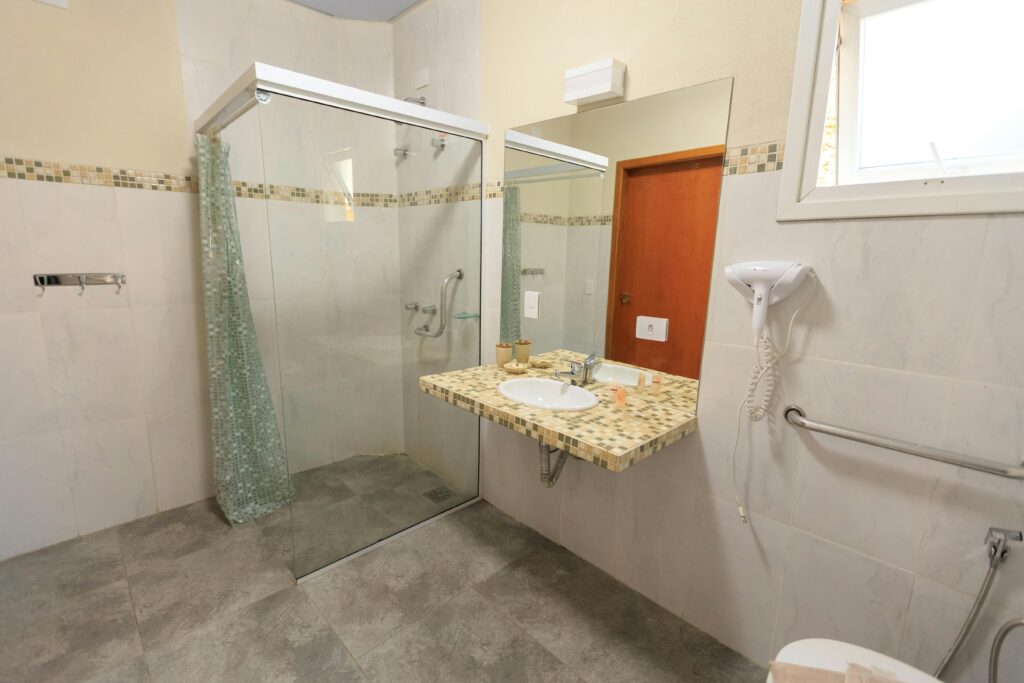
No, they’re not just for hospitals. A well-placed grab bar near the toilet or inside the shower can prevent serious falls. And modern options? Stylish and subtle—your bathroom won’t look like a rehab facility.
👉 Curious about grab bar placement? Reach out here for personalized recommendations.
2. Swap to a Comfort-Height Toilet
Standard toilets are surprisingly low. A comfort-height toilet makes it easier to sit and stand—critical for anyone with mobility limitations or joint pain. It’s like a tiny throne upgrade. You deserve it.
3. Choose Slip-Resistant Flooring
Glossy tile might look great, but when it’s wet, it’s basically an ice rink. Think slip-resistant vinyl or textured tile for better footing and fewer falls.
4. Light the Way
Let’s be blunt: midnight bathroom trips aren’t glamorous. Add motion-sensor lights to help guide the way. Bonus: no more stubbed toes or surprise shampoo bottles.
5. Consider a Walk-In Shower
Bathtubs are notoriously tricky to step over. A curbless, walk-in shower not only looks luxurious—it prevents falls and allows for easy wheelchair or walker access if needed later.
Final Thought from the Anchor Desk
If we’ve learned one thing, it’s this: bathroom safety isn’t optional—it’s essential. Aging in place works best when the home adapts to the person, not the other way around.
As an occupational therapist, I’ve helped countless clients modify their bathrooms in ways that preserve dignity, reduce risk, and empower independence. If you’re not sure where to begin, start with our home safety evaluation services here at PNW Home for Life.
And remember: you can’t spell “bathtub” without “but”—as in, “But I didn’t think I’d fall in there.” Let’s stop saying that and start preparing better.
This is Connie Wyatt, signing off with your bathroom safety bulletin. Stay safe, stay upright, and keep aging in place with confidence.
C2, reporting live from the loo
pnwhomeforlife.com
360-770-1752
Resource: https://realestate.usnews.com/real-estate/articles/bathroom-updates-for-aging-in-place
Discover more from PNW Home For Life
Subscribe to get the latest posts sent to your email.


Pingback: The Sneaky UTI: A Common Culprit in Senior Health - PNW Home For Life
Such a great article! I totally agree there are so many ways to prevent problems rather than reacting to them!